Understanding Vinyl Decal Surfaces
Choosing the right surface for your vinyl decals is crucial for achieving a professional look and ensuring long-lasting results. Whether you’re personalizing a laptop, decorating your vehicle, or adding flair to your office space, understanding surface compatibility is essential. Different materials have varying levels of adhesion, texture, and durability, which directly impact how well your vinyl decals will adhere and perform over time.
Vinyl decals work best on smooth, clean, and non-porous surfaces. However, the reality is that many surfaces you want to decorate fall somewhere in between perfectly smooth and highly textured. The key is understanding which surfaces will provide optimal adhesion and which ones require special preparation or alternative solutions.
Ideal Surfaces for Vinyl Decals
Smooth Plastic Surfaces
Plastic is one of the most vinyl-friendly materials available. Smooth plastic surfaces like laptops, phone cases, and storage containers provide excellent adhesion for vinyl decals. The consistent texture allows the decal’s adhesive backing to make full contact with the surface, ensuring durability and a professional appearance. When working with plastic, make sure to clean the surface thoroughly with rubbing alcohol and allow it to dry completely before application.
Glass and Ceramic
Glass and ceramic surfaces are exceptionally smooth and non-porous, making them ideal for vinyl decal application. Mugs, windows, mirrors, and glass decorations all accept vinyl decals beautifully. These surfaces resist moisture and temperature fluctuations, which helps vinyl decals maintain their adhesion and appearance for extended periods. For ceramic mugs and glass items, ensure the surface is completely dry and free from any oils or residue.
Metal Surfaces
Metal is another excellent choice for vinyl decal application. Whether it’s stainless steel, aluminum, or powder-coated metal, these surfaces provide strong adhesion for vinyl decals. Metal’s non-porous nature prevents the adhesive from seeping into the material, and its durability means your decals will last longer. Motorcycles, vehicles, filing cabinets, and metal water bottles are all great candidates for vinyl decal decoration.
Challenging Surfaces to Avoid or Prepare
Highly Textured Materials
Textured surfaces like rough wood, stucco, or heavily textured paint create gaps between the decal and the surface. These air pockets reduce adhesion and can cause peeling at the edges. If you must apply decals to textured surfaces, consider using a primer or sanding the area slightly to smooth it out before application. Learn more about applying vinyl stickers to wooden surfaces to master this challenging material.
Fabric and Soft Materials
While vinyl decals can adhere to fabric, they don’t work as well as they do on rigid surfaces. Fabric flexes and stretches, which can cause the decal to peel or crack over time. If you want to decorate fabric items like haircutting capes or canvas tote bags, consider alternatives or use heat-applied vinyl specifically designed for textiles.
Porous Surfaces
Porous materials like unfinished wood, brick, or paper absorb the adhesive, reducing the decal’s grip. These surfaces require sealing or priming before vinyl decal application to create a non-porous barrier that vinyl can adhere to effectively.
Surface Preparation Tips
- Clean thoroughly: Use rubbing alcohol, soap and water, or a degreaser to remove dust, dirt, oils, and residue.
- Dry completely: Allow the surface to air dry or use a lint-free cloth to prevent moisture interference with adhesion.
- Check for damage: Inspect the surface for cracks, scratches, or imperfections that could affect decal placement.
- Test adhesion: If unsure about a surface, apply a small test decal first to verify compatibility.
- Consider temperature: Apply decals in moderate temperatures (50-85°F) for best results, as extreme heat or cold affects adhesive performance.
Matching Decals to Your Projects
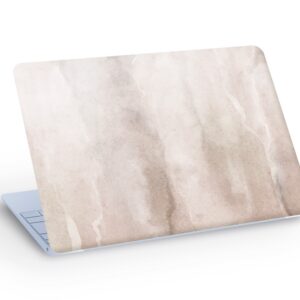
Once you understand surface compatibility, you can confidently choose decals for your specific projects. For laptop personalization, smooth plastic or metal surfaces are perfect. Consider designs like the Pink Abstract MARBLE Ink LAPTOP SKIN Decal or the Blue Coastal Landscape JAPANESE Ink Painting LAPTOP SKIN Decal for a professional aesthetic.
For outdoor enthusiasts, vehicle decals work beautifully on smooth automotive paint, metal bumpers, and windows. Adventure-themed designs like the Photographer Compass Vinyl Decal Sticker or the Dirt Bike Vinyl Decal Sticker are perfect for off-road vehicles and motorcycles.
For home décor projects, glass mugs and smooth ceramic items provide ideal surfaces for decorative vinyl. Smooth walls with semi-gloss or satin finishes work well, but flat paint may require surface preparation.
Surface Selection Made Easy
The golden rule for vinyl decal surface selection is simple: smooth, clean, and non-porous surfaces provide the best results. By understanding which materials work best and how to prepare challenging surfaces, you can expand your decal application possibilities significantly. Always prioritize surface cleanliness and preparation over rushing into application—these few extra minutes of work will reward you with professional-looking, long-lasting results.
Ready to start your vinyl decal project? Browse our complete collection of vinyl decals and stickers to find the perfect design for your chosen surface. With proper surface selection and preparation, your vinyl decals will look stunning and withstand the test of time.
Featured Products
STONE LAPTOP SKIN Decal Sticker, Stone Laptop Skin Decal …